
Animal: Dogs
Age: > 4 months
Sex: Any
Healthy Pets: Yes
Type: Observational
Background and purpose
Copper associated liver disease is one of the most common liver diseases in dogs and Labrador retrievers are at risk. Copper associated liver disease is caused by too much copper build up in the liver. If this disease is not diagnosed or treated, it can cause a lot of liver damage and ultimately, liver failure.
The goal of this study is to use new technologies to better understand how to diagnose these diseases with blood tests and see how they differ from Labrador retrievers with autoimmune liver disease and healthy Labrador retrievers.
What happens in this study
We will collect additional teaspoons of blood and small less than pea-sized samples of liver tissue to assess for liver disease and measure copper. We will then screen for genes and markers in the blood that could be used to help diagnose and treat Labrador retrievers with liver disease in the future.
We are also enrolling healthy Labrador retrievers. If your Labrador is healthy and already undergoing a surgery such as a spay, neuter, or gastropexy, the liver sampling will be in addition to that and a portion or all costs of the surgery will be covered.
Pet owner responsibilities:
- Complete symptom questionnaire
- Bring a diet sample of what your pet is currently eating
- Consent to blood and liver sampling
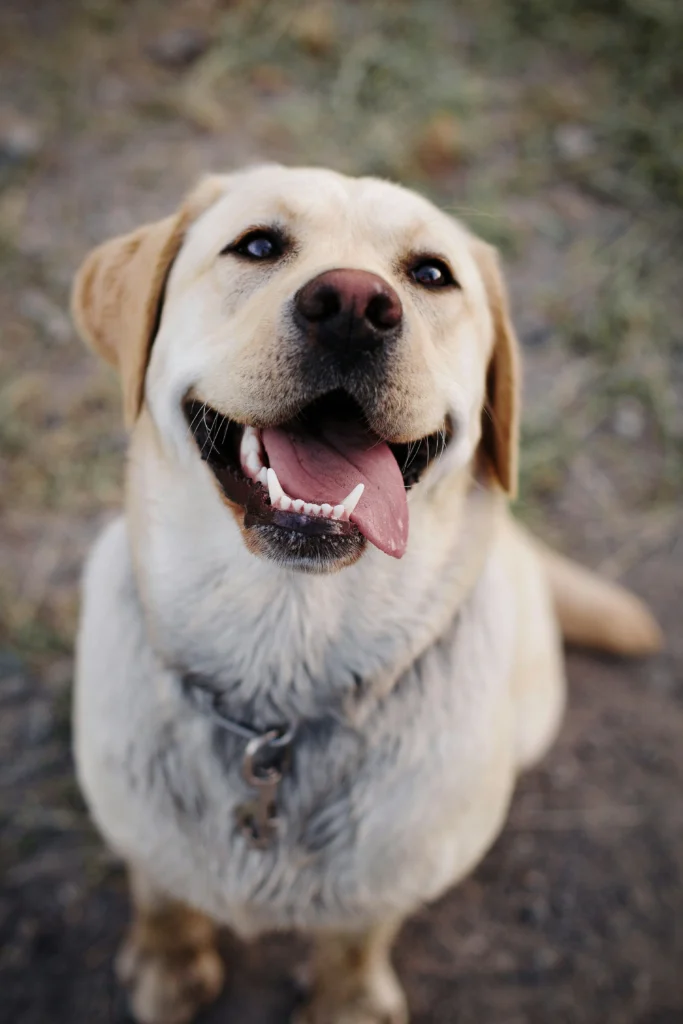
Participation requirements
We will have 3 groups of Labrador retrievers: 1) copper associated liver disease, 2) auto-immune liver disease, and 3) healthy control Labrador retriever dogs Benefits and risks of participating
Benefits: We cannot promise benefits to you or your pet from taking part in this study. However, identifying non-invasive ways to diagnose liver disease in Labrador retrievers early and correctly could help prevent and treat liver disease in this breed. The cost of some bloodwork, the liver biopsy procedure +/- the additional spay or gastropexy surgeries are also financially covered.
Risks: There will be minor risk of bleeding, infection, opening of the incision, pain, and poor healing from the liver biopsy, but this risk is low especially in a healthy dog.
Compensation
Cost of some or full bloodwork, liver biopsy, +/- partial or full cost of spay, neuter, or gastropexy surgery